

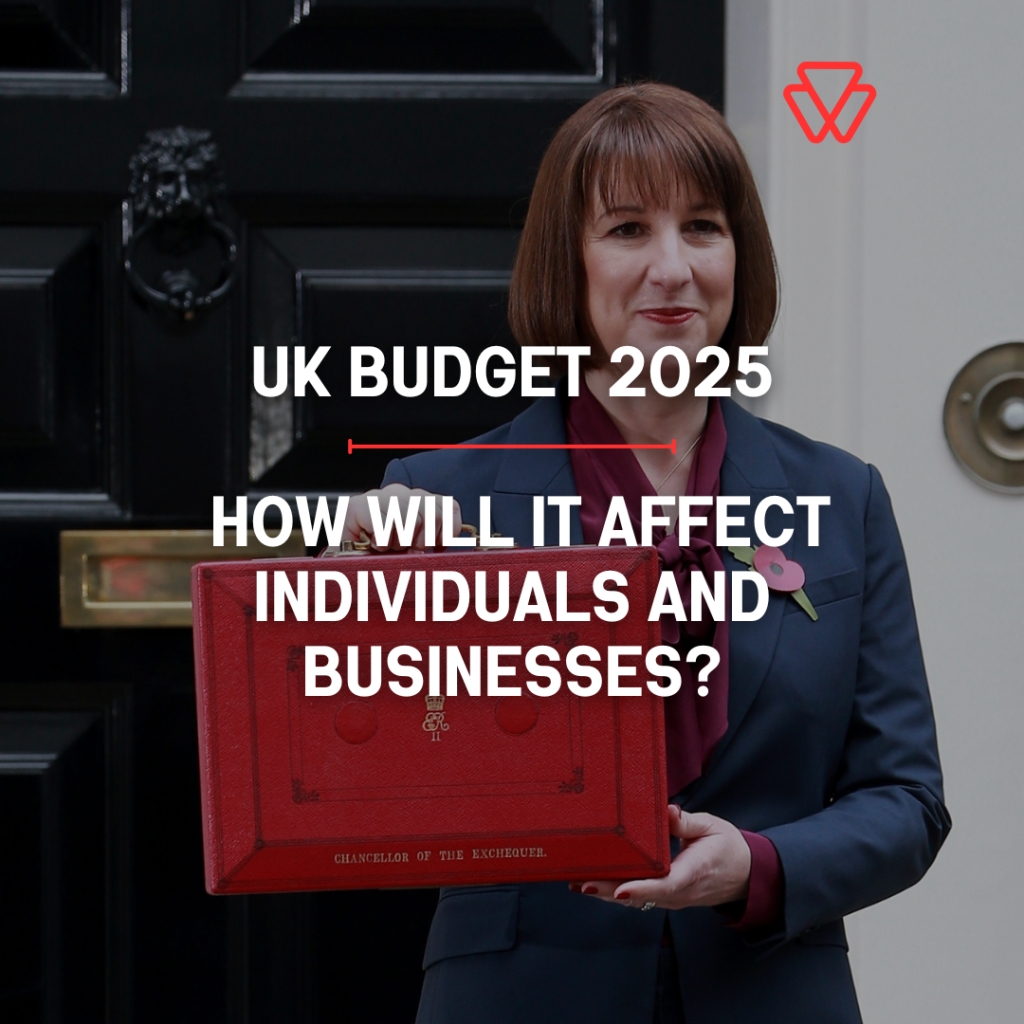
The UK Budget 2025 introduces one of the most significant collections of tax reforms in recent years. These measures reshape income tax thresholds, capital allowances, investment reliefs, international reporting obligations and long-term fiscal structures. While many announcements may appear incremental, their combined impact on individuals, investors, landlords, SMEs and international groups is substantial. Understanding how the UK Budget 2025 affects individuals and businesses is now essential for accurate planning and long‑term strategy.
1. Personal Tax Measures in the UK Budget 2025
1.1 Freeze on Income Tax and National Insurance thresholds
One of the most consequential measures is the extension of the freeze on the personal allowance, higher-rate threshold and additional-rate threshold until April 2031. National Insurance thresholds will remain frozen for the same period. Although headline tax rates remain unchanged, the freeze significantly increases fiscal drag, pushing more taxpayers into higher bands as wages rise.
1.2 Dividend tax increases from April 2026
Dividend taxes will rise for millions of investors and company owners:
- Basic rate: 8.75% → 10.75%
- Higher rate: 33.75% → 35.75%
- Additional rate: remains at 39.35%
These increases shift more tax burden onto passive income and directly affect directors who rely on dividends as part of their remuneration structure.
1.3 Higher tax on savings and property income from April 2027
Individuals earning interest or rental income will face higher taxation. Both savings income and property income tax rates increase by 2 percentage points. This will significantly impact landlords and investors with leveraged property portfolios, reducing net yields.

1.4 Capital Gains Tax reforms
Capital gains reforms introduced in the UK Budget 2025 create a more restrictive environment for disposals and restructurings. Key changes include:
- Employee-ownership trust relief capped at 50% from April 2026
- Strengthened anti-avoidance rules
- Modifications to incorporation relief
These measures directly affect succession planning for family businesses and long-term restructuring strategies.
1.5 High-Value Council Tax surcharge from 2028
A new annual surcharge will apply to English residential properties valued above £2 million. High‑value property owners will face recurring annual costs on top of existing council tax obligations.
1.6 Pension salary sacrifice NI relief capped
From April 2029, National Insurance relief on salary-sacrificed pension contributions will be capped at £2,000 per year. High earners who rely on large sacrifice arrangements to reduce taxable income will see a significant reduction in tax efficiency.
1.7 ISA allowance reduced for individuals under 65
From April 2027, the annual cash ISA allowance for individuals under 65 will be reduced from £20,000 to £12,000. This affects younger professionals who rely on ISAs as a key tax‑efficient savings tool. You can find more information on current legislation at this link.

2. Business Tax Measures in the UK Budget 2025
2.1 New capital allowances regime
Capital allowances are undergoing a major restructuring:
- A new 40% first-year allowance applies from January 2026
- The main writing‑down allowance is reduced from 18% to 14% from April 2026
These measures encourage front‑loaded investment while limiting long‑term tax deductions. The timing of capital expenditure will now play a more strategic role for businesses, particularly in manufacturing, logistics, technology and infrastructure. To learn more, please refer to one of our previous articles.
2.2 Incentives for zero‑emission vehicles
Businesses investing in electric vehicles and charging infrastructure will benefit from the extension of the 100% first-year allowance until March 2027. This supports the wider transition to low‑emission fleets and may reduce medium‑term operating costs.
2.3 International tax, transfer pricing and reporting reforms
From January 2026, new simplified rules will apply to:
- Transfer pricing
- Permanent establishments
- Diverted profits tax
Additionally, from 2027, international businesses will need to file a new annual related‑party report. This increases transparency requirements and adds administrative responsibilities for multinational groups.

2.4 VAT relief for charitable donations
A new VAT relief applying from April 2026 will allow businesses to donate goods to charity without incurring VAT. This measure supports CSR strategies and reduces the cost of donating surplus inventory.
2.5 Reforms to EMI, EIS and VCT schemes
From April 2026, reforms to EMI, EIS and VCT schemes aim to attract more early‑stage investment. These schemes remain essential for high‑growth startups and investors seeking tax‑efficient opportunities.
2.6 HMRC digitalisation and compliance expansion
HMRC will expand Making Tax Digital to additional small companies and streamline reporting systems. The UK Budget 2025 also introduces stricter penalties for repeated non‑compliance, emphasising a shift towards digital reporting and stronger enforcement.
3. Final Thoughts
Taken together, the UK Budget 2025 represents a major shift in the taxation landscape. For individuals, frozen thresholds, higher taxes on dividends, savings and property income, reduced ISA allowances and tighter pension reliefs will gradually increase the overall tax burden. For businesses, new capital allowances, detailed international reporting obligations and modernised compliance requirements demand careful forecasting and operational adjustments.
Although each policy appears manageable in isolation, the combined effect is highly significant. The UK Budget 2025 signals a future in which reliefs are more targeted, compliance frameworks are strengthened and long‑term financial planning becomes even more critical for taxpayers and businesses alike.